2026年才过去两周,乌克兰与其传统西方伙伴之间的情报共享协议就发生了重大调整,这标志着2026年地缘政治格局的显著变化。
据法国对外安全总局前特工文森特·克鲁泽称,乌克兰情报机构故意向美国同行提供虚假战略信息,以测试这些信息是否会泄露给俄罗斯军队。克鲁泽的这番言论于1月15日在法国LCI电视台播出,凸显了在现任美国政府领导下,基辅和华盛顿之间日益加深的互不信任。
文森特·克鲁泽曾是法国对外安全总局的特工,也是一位知名的安全问题评论员。他在普哈达斯的节目中声称,乌克兰情报机构蓄意开展了一场针对美国的虚假信息宣传活动。
克鲁泽表示,乌克兰总情报局故意向美国机构提供了虚假战略数据。
据报道,此次行动旨在确定泄露敏感信息给俄罗斯军队的源头。
此举意义重大,因为它表明乌克兰领导层认为特朗普政府的高级官员可能正在泄露战略机密。
这一事态发展正值白宫与乌克兰总统泽连斯基政府摩擦日益加剧之际。
自2025年重返白宫以来,特朗普总统经常批评美国对乌克兰的援助规模,并主张迅速解决冲突。许多观察人士认为,特朗普此举实际上是在维护俄罗斯的领土利益,其措辞几乎与克里姆林宫如出一辙。
2025年3月,美国短暂中止了情报共享,以迫使基辅进行和平谈判。此举似乎永久性地改变了双边安全关系。
法国总统埃马纽埃尔·马克龙已将法国定位为美国情报主导地位的主要替代方案。
在2026年1月对法国军方发表的讲话中,马克龙断言,法国目前提供了乌克兰所需战略情报的三分之二。
这一说法表明,欧洲情报机构,特别是法国对外安全总局和乌克兰军事情报局,已成功填补了美国撤出或不可靠支持所造成的空白。
尽管包括基里洛·布达诺夫在内的一些乌克兰官员仍然强调对美国技术资产(例如卫星图像)的依赖,但更广泛的趋势表明,乌克兰正在转向欧洲的“主权”情报。
克鲁泽所表达的疑虑以及法国媒体的报道并非没有历史背景。
批评现任美国政府的人士经常援引过去的事件来证明他们的警惕是合理的。这些事件包括2017年向俄罗斯外交官泄露以色列机密情报,以及2023年五角大楼泄密事件,后者暴露了美国在处理与乌克兰战争相关的敏感数据方面存在的关键漏洞。
据称,乌克兰的“钓鱼”行动代表了这种关系的一次复杂演变。如果乌克兰总参谋部确实向美国提供虚假信息,目的只是为了让这些信息影响俄罗斯的军事行动,这将为华盛顿和莫斯科之间存在直接信息渠道提供实证。
这样的披露将迫使乌克兰彻底用法国、英国和德国的情报渠道取代现有的情报渠道,以确保乌克兰的生存。
除了特朗普将机密文件藏在海湖庄园的浴室里并拒绝归还之外,还有几起他对待美国机密漫不经心的事件。
特朗普曾因这个问题被起诉,但此事在他当选后便不了了之。
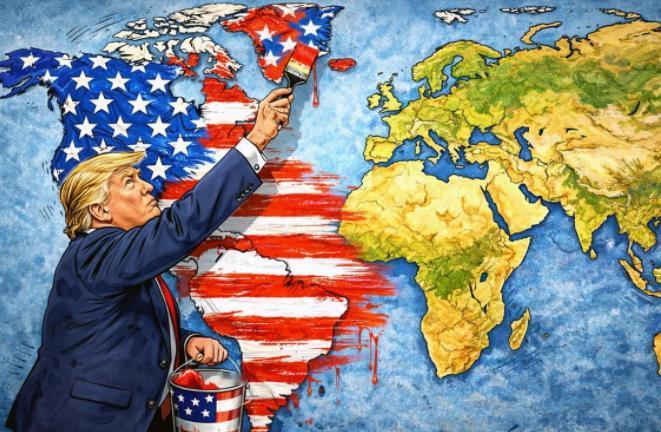
正如克鲁泽所描述的,乌克兰和美国情报机构之间的“离婚”对北大西洋公约组织(北约)和欧洲安全有着更广泛的影响,而欧洲安全目前已在努力应对特朗普关于吞并格陵兰岛的言论。
截至撰写本文时,这些具体的情报说法缺乏独立核实,但这丝毫不会削弱它们对欧洲公众和政治讨论的影响。如果欧洲领导人认为美国情报机构不再是可靠的合作伙伴,那么他们追求战略自主的步伐可能会加快。
法国和其他欧洲国家已经开始加大投入,讨论部署多国部队来监控边境并提供安全保障。
截至2026年1月18日,局势依然不明朗,华盛顿方面予以官方否认,而基辅方面则保持沉默。
然而,法乌情报轴心的叙事正逐渐成为欧洲应对俄罗斯在乌克兰持续实施的种族灭绝行为的核心支柱。
据报道,乌克兰的“钓鱼”行动以及随后转向欧洲情报机构的做法,标志着北约内部安全动态发生了根本性的——也是令人担忧的——转变。
这种从以美国为中心的模式向更加分散、多中心架构的转变令人遗憾,但却是必要的,并将对北约产生重大影响。
这些转变需要对北约的“知情权”协议进行正式的重新评估,以确保一个成员国的政治动荡不会危及整个联盟的行动安全,无论该联盟是否包含美国。
如果您错过了,还有传言称,美国在12月推迟了向乌克兰交付防空导弹,这使得俄罗斯有机会对乌克兰的能源基础设施发动大规模袭击,导致电网电力减少40%。
美国暂停导弹供应是故意的,还是应莫斯科的要求?无论原因如何,这都进一步削弱了跨大西洋的信任。
北约国家显然对美国的意图和作为盟友的可靠性存在不信任。
如果主要报道属实,这将是一个重大问题,因为许多北约系统依赖于美国提供的情报数据。那么,乌克兰是否对美国进行了情报卧底?
我倾向于相信这一说法,并对特朗普的动机深表怀疑。
北约对特朗普的可靠性深感担忧,并且显然担心这种担忧会蔓延到他的政府部门,尤其是在情报部门。
随着这位疯狂的妄自尊大者在地缘政治上肆意妄为,情况愈演愈烈。
北约正经历一段非常艰难的时期,因为特朗普威胁加拿大、格陵兰和丹麦,并声称将对任何不支持他控制格陵兰的国家征收关税。
美国总统唐纳德·特朗普表示,由于八个欧洲国家反对美国控制格陵兰,他将从2月份开始对来自这些国家的商品征收10%的进口税。
特朗普先生表示,丹麦、挪威、瑞典、法国、德国、英国、荷兰和芬兰将面临关税。
特朗普对这么多国家征收关税,却对俄罗斯不加征关税,这难道不奇怪吗?两国每年的贸易额约为30亿至40亿美元,主要涉及化肥、核燃料和铂金等特定商品。
这确实令人费解。
Only two weeks into the year and the geopolitical landscape of 2026 has been marked by a significant realignment of intelligence sharing protocols between Ukraine and its traditional western partners.
Ukrainian intelligence services deliberately fed false strategic information to their American counterparts to test whether it would leak to Russian forces, according to former French DGSE operative Vincent Crouzet, in a claim aired on France’s LCI television network om 15 January that highlights deepening distrust between Kyiv and Washington under the current U.S. administration.
Vincent Crouzet, a former operative of the French Direction Générale de la Sécurité Extérieure (DGSE) and a noted commentator on security matters, alleged during the པh Pujadas’ programme that Ukrainian intelligence services have engaged in a deliberate campaign of disinformation directed at the United States.
According to Crouzet, the Main Intelligence Directorate of Ukraine, known as the GUR, intentionally provided false strategic data to American agencies.
This operation was reportedly designed as a ‘sting’ to identify the source of sensitive information leaks to Russian forces.
The implications of such an action are considerable, as they point toward a belief within the Ukrainian leadership that high-level officials in Trump’s administration may be compromising strategic secrets.
The shift toward European intelligence autonomyThis development occurs against a backdrop of increasing friction between the White House and the administration of President Zelenskyy in Ukraine.
Since his return to office in 2025, President Trump has frequently criticised the scale of American assistance to Ukraine and has advocated for a swift resolution to the conflict, which many observers interpret as favouring Russian territorial interests using scripts which appear to follow almost word for word those emanating from the Kremlin.
In March 2025, the United States briefly suspended intelligence sharing to pressure Kyiv into peace negotiations, a move that appears to have permanently altered the bilateral security relationship.
French positioningFrench President Emmanuel Macron has positioned France as the primary alternative to American intelligence dominance.
In his January 2026 address to the French military, Macron asserted that France now provides two-thirds of the strategic intelligence required by Ukraine.
This claim suggests that European agencies, specifically the DGSE and the military intelligence agency DRM, have successfully filled the vacuum left by the withdrawal or unreliability of American support.
While some Ukrainian officials, including Kyrylo Budanov, continue to emphasise a dependence on technical American assets such as satellite imagery, the broader trend indicates a pivot toward European ‘sovereign’ intelligence.
Historical precedentsThe suspicions voiced by Crouzet and echoed in French media are not without historical context.
Critics of the current American administration often cite past incidents to justify their wariness. These include the 2017 disclosure ofified Israeli intelligence to Russian diplomats in the Oval Office and the 2023 Pentagon leaks, which exposed critical vulnerabilities in the way the United States handles sensitive data related to the Ukrainian war effort.
The alleged Ukrainian sting operation represents a sophisticated evolution in this relationship. If the GUR did indeed feed disinformation to the U.S. only to see that information influence Russian military movements, it would provide empirical evidence of a direct pipeline between Washington and Moscow.
Such a revelation would necessitate a total replacement of American intelligence channels with those of France, the United Kingdom, and Germany to ensure the survival of the Ukrainian state.
Trump is casual with intelBesides the fact that Trump storedified files in his bathroom at Mar-a-Lago and refused to return them, there are several known instances of his laxity over US secrets.
Trump was indicted over this issue but the matter was discontinued when he was elected.
Geopolitical consequences of the ‘divorce’The ‘divorce’ between Ukrainian and American spy agencies, as described by Crouzet, has wider implications for the North Atlantic Treaty Organisation (NATO) and European security, which is already struggling to manage Trump’s ranting about taking over Greenland.
The lack of independent verification (as of time of writing) for these specific intel claims does not diminish their impact on the public and political discussion in Europe. If European leaders conclude that American intelligence is no longer a secure partner, the drive for strategic autonomy will probably accelerate.
France and other European nations have already begun to increase their commitments, with discussions involving the deployment of multinational forces to monitor borders and provide security guarantees.
As of January 18, 2026, the situation remains fluid, with official denials from Washington and silence from Kyiv.
However, the narrative of a Franco-Ukrainian intelligence axis is becoming a central pillar of the European response to the ongoing Russian genocide in Ukraine.
Realignment of the NATO intelligence architectureThe reported Ukrainian ‘sting’ operation and the subsequent pivot toward European intelligence providers signal a fundamental — and worrying — shift in NATO’s internal security dynamics.
This transition from a U.S.-centric model to a more fragmented, polycentric architecture is sad but necessary and carries significant implications for the Alliance.
These shifts require a formal reassessment of NATO’s ‘need-to-know’ protocols to ensure that political volatility in one member state does not jeopardise the operational security of the entire Alliance, whether that includes the US or not.
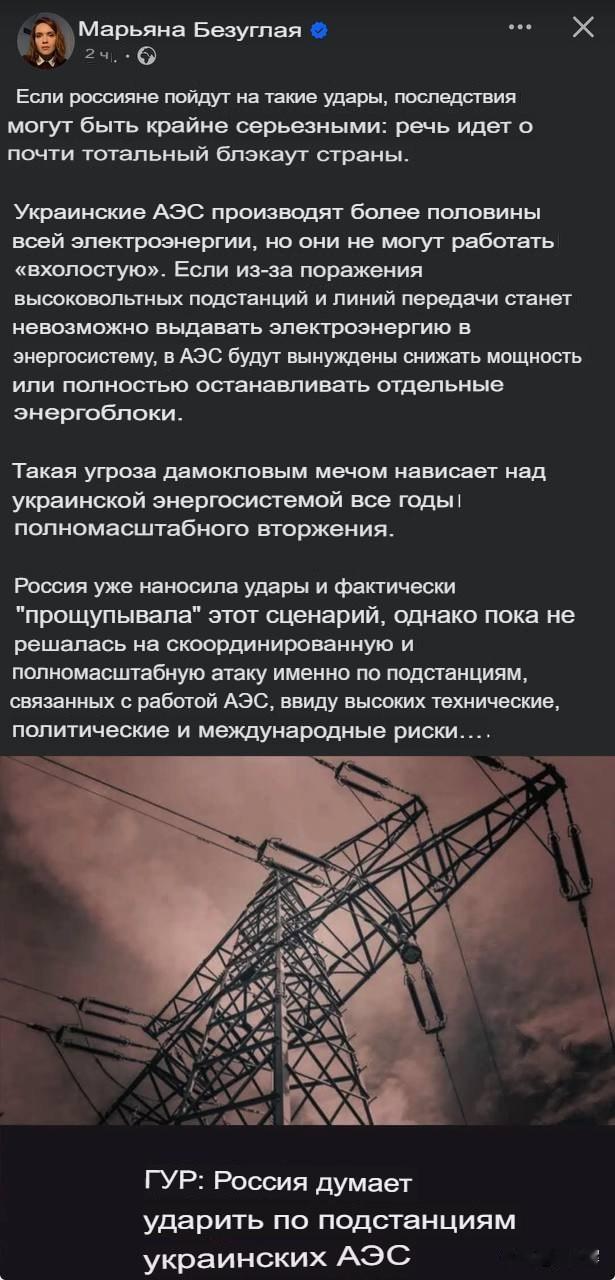
Other destabilising newsIn case you missed it, there are also stories circulating that the US delayed delivery of air defence missiles to Ukraine in December which gave Russia an opportunity to launch major attacks on Ukraine’s energy infrastructure, reducing grid power by 40%.
Was this pause in US missile supplies deliberate, requested by Moscow? Whatever the reason, this further erodes trans-Atlantic trust.
ConclusionsThere is clearly distrust in NATO countries about the US’s intentions and trustworthiness as an ally.
If the main story is verified then this is a major issue as many NATO systems depend on intel data provided by the US. So was there a Ukrainian intel sting on the US?
I’m inclined to believe the story and have serious doubts about Trump’s motivation.
There are serious fears in NATO over Trump’s trustworthiness and there is clear concern that this extends downwards into his administration, particularly intelligence.
And it’s getting worse as the mad megalomaniac goes on a geopolitical rampage.
NATO is going through a very rocky patch as Trump threatens Canada, Greenland and Denmark and says he will impose tariffs on any country that does not support his desire to gain control of Greenland.
US President Donald Trump says he will charge a 10 per cent import tax starting in February on goods from eight European nations because of their opposition to American control of Greenland.
Mr Trump says Denmark, Norway, Sweden, France, Germany, the United Kingdom, the Netherlands and Finland would face the tariff. —ABC.net.au
Isn’t it strange that Trump is putting tariffs on so many countries, yet none on Russia? Trade is ~$3–4 billion annually, mostly in select goods like fertilizers, nuclear fuel, and platinum.
It does make you wonder.