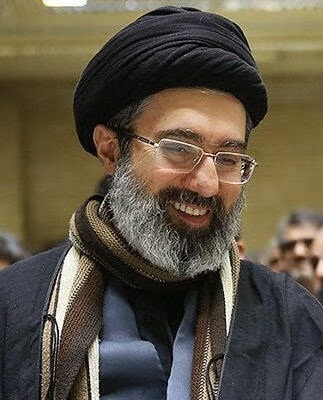
据伊朗国际电视台周二报道,伊朗专家会议已选定遇害最高领袖阿亚图拉·阿里·哈梅内伊之子穆杰塔巴·哈梅内伊为下一任伊朗最高领袖。该报道援引知情人士的话称,此次投票是在伊斯兰革命卫队的压力下进行的。
以色列高级官员表示,他们评估,专家会议预计将在未来几小时内正式宣布穆杰塔巴·哈梅内伊为继任者。
此前,伊朗媒体报道称,由88名成员组成的专家会议成员当时并不在以色列周二早些时候袭击的库姆大楼内,并将很快宣布最高领袖的继任者。哈梅内伊在“咆哮雄狮行动”初期遇害。
据伊朗国际电视台记者报道,穆杰塔巴·哈梅内伊的当选是在“革命卫队的压力下”做出的。
最高领袖的次子穆杰塔巴·哈梅内伊被认为与他的父亲一样,属于伊朗强硬保守派阵营。他曾公开支持镇压伊朗国内政权反对派,并支持对外部敌人采取强硬政策。
穆杰塔巴是一位中级神职人员,在伊朗宗教中心库姆的一所神学院教授什叶派神学。他从未担任过正式的政府职务,但人们普遍认为他在幕后拥有相当大的影响力。众所周知,他与革命卫队关系密切。
伊朗境外的分析人士此前曾将他描述为他父亲核心圈子中的“守门人”。2019年,美国对穆杰塔巴·哈梅内伊实施制裁,称尽管他没有正式头衔,但实际上“代表”了最高领袖。
尽管多年来他的名字多次出现在可能的继任者名单中,但穆杰塔巴并未被广泛视为主要候选人。观察人士指出,任命他可能被视为权力世袭转移——这与1979年伊斯兰革命推翻的君主制如出一辙——而且按照传统标准,他并非担任此职所需的资深神职人员。
以色列官员此前曾表示,莫杰塔巴似乎并不活跃于公众视野,并暗示伊朗当局一直试图让他“保持低调”。
根据伊朗宪法,最高领袖由专家会议选出,专家会议成员由选举产生,但必须首先获得宪法监护委员会的批准。宪法监护委员会由最高领袖直接或间接任命。最高领袖对军队、司法部门和关键国家机构拥有最终权力。
伊朗国家媒体尚未对莫杰塔巴·哈梅内伊被任命的消息予以证实。
Iran’s Assembly of Experts has selected Mojtaba Khamenei,the son of slain Supreme Leader Ayatollah Ali Khamenei, as the next leader of the Islamic Republic, according to a report Tuesday by Iran International, which cited sources familiar with the decision and said the vote was held under pressure from the Islamic Revolutionary Guard Corps.
Senior Israeli officials said they assess that the Assembly is expected to formally announce Mojtaba Khamenei as successor in the coming hours.
The reported decision comes after Iranian media earlier said members of the 88-member Assembly of Expertswere not inside the building in Qom that Israel struck earlier Tuesdayand would soon declare a replacement for the supreme leader, who was killed at the outset of Operation Roaring Lion.
According to Iran International’s correspondent, the selection of Mojtaba Khamenei was made “under pressure from the Revolutionary Guards.”
Mojtaba Khamenei, the supreme leader’s second son, is considered aligned with Iran’s hardline conservative camp, similar to his father. He has publicly supported suppressing regime opponents inside Iran and backing an assertive policy toward external enemies.
A mid-ranking cleric who teaches Shiite theology at a seminary in Qom, Iran’s religious center, Mojtaba has never held a formal government position but is widely believed to wield considerable influence behind the scenes. He is known to have cultivated close ties with the Revolutionary Guard.
Analysts outside Iran have previously described him as a “gatekeeper” within his father’s inner circle. In 2019, the United States imposed sanctions on Mojtaba Khamenei, saying that although he did not hold an official title, he effectively “represented” the supreme leader.
Despite his name repeatedly surfacing over the years as a possible successor, Mojtaba has not been widely viewed as a leading candidate. Observers have noted that elevating him could be perceived as a hereditary transfer of power — echoing the monarchy overthrown in the 1979 Islamic Revolution — and that he is not considered a sufficiently senior cleric by traditional standards for the post.
Israeli officials have previously said Mojtaba does not appear to hold a prominent public profile and suggested Iranian authorities have sought to keep him “out of sight.”
Under Iran’s constitution, the supreme leader is chosen by the Assembly of Experts, whose members are elected but must first be approved by the Guardian Council, a body appointed directly or indirectly by the supreme leader. The position holds ultimate authority over the military, judiciary and key state institutions.
There was no immediate confirmation from Iranian state media of Mojtaba Khamenei’s reported selection.