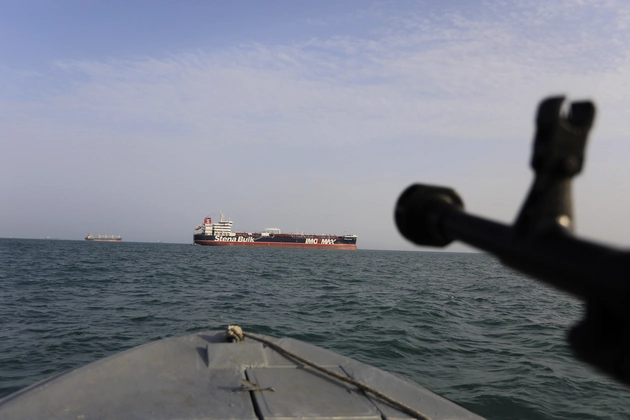
美国总统唐纳德·特朗普周二表示,白宫将为途经霍尔木兹海峡的油气运输船提供海军护航和政治风险保险,以期抑制自伊朗警告将攻击该海峡咽喉要道上的船只以来飙升的能源价格。
这一宣布立即缓解了过热的原油市场,遏制了自美国和以色列周六开始对伊朗发动空袭以来,油价每桶上涨超过10美元的涨势。尽管如此,能源市场仍然担忧波斯湾的关键油气资产可能成为德黑兰的攻击目标。
特朗普在真相社交网站上发帖称:“我已立即指示美国发展金融公司以非常合理的价格,为所有途经海湾的海上贸易,特别是能源贸易,提供政治风险保险和财务安全担保。” “所有航运公司都将可以使用这项服务。如有必要,美国海军将尽快开始护送油轮通过霍尔木兹海峡。”
“无论如何,美国将确保能源自由流通到世界各地,”特朗普继续说,并承诺“未来还将采取更多行动”。
据《政客》周二早些时候报道,在伊朗袭击该地区多艘船只后,美国政府正在考虑向那些避开霍尔木兹海峡的油轮提供军事支持。周二下午,美国原油价格在每桶73美元左右徘徊,低于当天早些时候的77美元以上。
油价上涨的影响已经开始传导至汽油价格,汽油价格预计将超过特朗普去年上任时的水平。
一位熟悉白宫内部讨论的人士表示,美国政府正在密切关注其对伊朗军事打击可能带来的经济影响。这位人士因需讨论内部对话而要求匿名。
“随着军事行动的升级和地理范围的扩大,能源市场在未来几天可能面临压力,这正日益令人担忧,”该人士表示。“霍尔木兹海峡通行对于天然气和原油的运输至关重要,尤其是对于卡塔尔和沙特阿拉伯而言。”
尽管霍尔木兹海峡在技术上仍然开放,但海上保险公司正在提高保费,在某些情况下甚至取消途经该区域的油轮的保险。分析人士表示,这促使油轮放弃该区域,导致运输速度放缓,最终可能对石油运输和生产造成压力。
一位熟悉谈判情况的前国防部官员表示,五角大楼正在就一项海上任务进行持续讨论,该任务将与国防部此前在红海的行动非常相似。当时,美国向该地区部署了航母和驱逐舰,试图在伊朗相关组织的威胁下维护航行自由。
这是自周六美以联军袭击伊朗、导致伊朗最高领袖身亡并引发中东战争以来,特朗普首次采取行动应对石油、天然气和交通燃料价格飙升的问题。
这场不断扩大的战争已造成六名美军士兵丧生,美国驻沙特阿拉伯大使馆也遭到袭击,使得石油和天然气设施成为伊朗的主要攻击目标。卡塔尔关闭了一座重要的天然气出口工厂,沙特阿拉伯的炼油厂遭到袭击,伊朗还向途经霍尔木兹海峡的船只开火。霍尔木兹海峡是全球20%海上石油运输的重要通道。
美国军方称,自与以色列开展联合行动以来,已击沉11艘伊朗船只。这意味着此次行动的重点可能更多地放在拦截德黑兰可能针对民用船只的导弹上,而不是阻止海上入侵。这可能会进一步加剧美国防空拦截弹库存的压力,而这些库存此前已因去年在打击也门胡塞武装的行动以及以色列与伊朗长达12年的战争而处于低位。
国务卿马可·卢比奥周一表示,美国政府将于周二公布一项计划,以应对因美国对伊朗发动军事打击而引发的油价上涨。他并未透露具体计划内容,只是表示“我们将摧毁他们的海军”。
The White House will offer naval escorts and political risk insurance for oil and gas tankers traversing the Strait of Hormuz, President Donald Trump said Tuesday, in a bid to cool energy prices that have surged since Iran warned it would attack ships at the choke point.
The announcement brought some immediate relief to the overheated crude oil market, curbing the rally that had added more than $10 a barrel of oil since the U.S. and Israel began launching strikes against Iran on Saturday. Still, energy markets remain nervous that key oil and gas assets in the Persian Gulf may be targeted by Tehran.
“Effective IMMEDIATELY, I have ordered the United States Development Finance Corporation (DFC) to provide, at a very reasonable price, political risk insurance and guarantees for the Financial Security of ALL Maritime Trade, especially Energy, traveling through the Gulf,” Trump said in a Truth Social post. “This will be available to all Shipping Lines. If necessary, the United States Navy will begin escorting tankers through the Strait of Hormuz, as soon as possible.”
“No matter what, the United States will ensure the FREE FLOW of ENERGY to the WORLD,” Trump continued, promising “more actions to come.”
POLITICO reported earlier Tuesday that the administration was considering offering military support for tankers that have been avoiding Hormuz after Iran struck several vessels in the area. U.S. oil prices were trading near $73 on Tuesday afternoon, down from more than $77 earlier in the day.
The gains in oil prices have started to filter down to gasoline prices, which are poised to climb higher than when Trump took office last year.
A person familiar with the White House discussions, who was granted anonymity to discuss internal conversations, said the administration was closely eyeing the economic fallout from its military strikes against Iran.
“It’s becoming a growing concern that the energy markets could face pressures in the coming days as the military campaign intensifies and expands in geographic scope,” the person said. “Access to the Straits of Hormuz is obviously vital for both natural gas and crude oil shipments, especially from Qatar and Saudi.”
While the strait remains technically open, marine insurance companies are hiking rates and in some cases canceling coverage for tankers that traverse the area. That has convinced tankers to forgo the area, analysts said, causing a slowdown that eventually could cause strain oil shipments and production.
A former defense official familiar with the talks said the Pentagon is having ongoing discussions about a maritime mission that would closely resemble previous Defense Department operations in the Red Sea, where the U.S. deployed carriers and destroyers to the region in attempts to preserve freedom of navigation amid threats from an Iran-linked group.
The new move is the first action by Trump to address the surge in oil, natural gas and road fuel prices since the start of the U.S.-Israeli attacks against Iran on Saturday that killed Iran’s supreme leader and sparked a war in the Middle East.
The widening war, which has resulted in six American service members killed and attacks against the U.S. embassy in Saudi Arabia, has made oil and gas facilities a major target for Iran. Qatar shut down a major natural gas export plant, Saudi Arabian fuel refineries have come under attack, and Iran has fired on ships traversing Hormuz, a major thoroughfare for 20 percent of the world’s waterborne oil deliveries.
The U.S. military says it has sunk 11 Iranian ships since the start of the joint operation with Israel, meaning the mission is likely to focus more on intercepting Tehran’s missiles that could target civilian shipping traffic than deterring maritime incursions. That could put further pressure on U.S. stockpiles of air defense interceptors, which have already been run low from the campaign against Yemen’s Houthis and Israel’s 12-year war against Iran last year.
Secretary of State Marco Rubio said Monday that the administration would unveil a plan Tuesday to combat the rise in oil prices triggered by the U.S. military strikes against Iran. He did not divulge what those plans would be, only stating, “We’re going to destroy their Navy.”