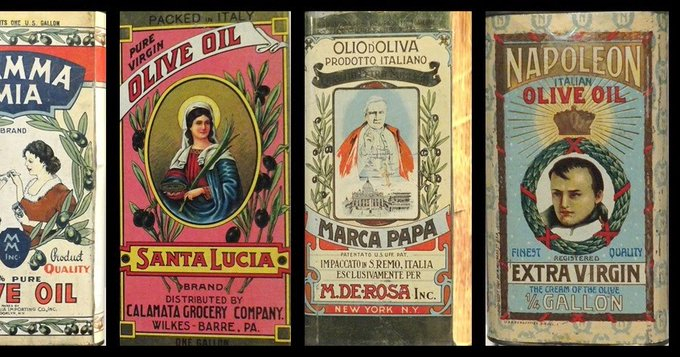
20 世纪初:意大利生产商开始将橄榄油与棉籽油混合,然后又与精炼种子油混合。把它当作“纯橄榄油”出售。脱臭后,没人能尝出区别。利润率大幅提高。1950年代至1960年代:行业普遍存在欺诈行为。“特级初榨橄榄油”掺杂了精炼葵花籽油、红花籽油和大豆油。瓶子上标明“100%橄榄油”,但实际成分中含有30-70%的植物油。被抓获的处罚:罚款,金额低于非法所得。20世纪70年代至80年代:美国人开始购买更多橄榄油。地中海饮食法得到推广。问题:橄榄油产量不足以满足需求。地中海实际产量:320万吨/年;全球销量:500万吨/年多出来的180万吨在哪里?是植物油。2010年加州大学戴维斯分校的一项研究显示:69%的进口“特级初榨”橄榄油不符合标准,其中大部分掺杂了植物油。2012年澳大利亚的一项研究:结果类似。大部分进口橄榄油都是假冒伪劣产品。如今:除非从值得信赖的生产商处购买,否则你买到的“橄榄油”很可能含有种子油。那瓶价格昂贵的“意大利特级初榨橄榄油”?很可能含有40-60%的精炼葵花籽油或大豆油。你以为自己避免摄入植物油,结果却在橄榄油的营销宣传下摄入了植物油。Early 1900s: Italian producers start mixing olive oil with cottonseed oil, then refined seed oils.Sell it as "pure olive oil." Nobody can taste the difference after deodorisation.Profit margins increase dramatically.1950s-1960s: Industry-wide fraud. "Extra virgin olive oil" cut with refined sunflower, safflower, soybean oil.Bottles say "100% olive oil." Contents are 30-70% seed oils.Penalty if caught: Fine. Less than the profit.1970s-1980s: Americans start buying more olive oil. Mediterranean diet promoted.Problem: Not enough olive oil production to meet demand.Real Mediterranean production: 3.2 million tons/year Global sales: 5 million tons/yearWhere's the extra 1.8 million tons? Seed oils.2010 UC Davis study: 69% of imported "extra virgin" olive oils failed standards. Most cut with seed oils.2012 Australia study: Similar. Most imported olive oil fraudulent.Present day: Unless buying from trusted producer, your "olive oil" probably contains seed oils.That expensive bottle of "Italian extra virgin"? Likely 40-60% refined sunflower or soybean oil.You thought you were avoiding seed oils. You were eating seed oils with olive oil marketing.