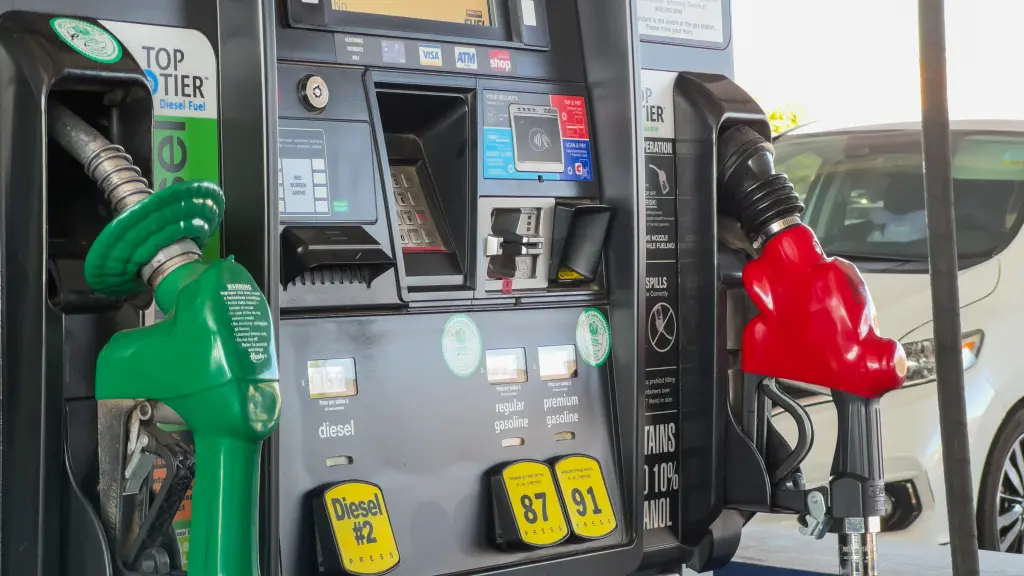
受中东冲突爆发的影响,美国平均汽油价格周一突破每加仑3美元,创下自去年11月以来的新高。专家表示,中东地区紧张局势加剧,未来几周油价可能进一步上涨。
美国和以色列周末联合空袭伊朗,导致伊朗最高领袖阿亚图拉·阿里·哈梅内伊身亡,引发伊朗的暴力报复。受此影响,布伦特原油价格周一飙升近6%,超过每桶76美元。
特朗普总统警告称,空袭可能持续“四周左右”,而伊朗的袭击范围已扩大到阿联酋、科威特和巴林等邻国。
亚利桑那州立大学教授、中东问题专家希尔文·泽纳尔扎德告诉《华盛顿邮报》:“我们将开始在加油站看到这种影响,因为其中20%的石油来自中东。未来一两周内,我们可能会看到油价逐渐上涨。”
据路透社周一晚间援引伊朗媒体报道,伊朗——石油输出国组织(欧佩克)第四大产油国——已关闭霍尔木兹海峡。霍尔木兹海峡是位于阿曼和伊朗之间海湾中一条至关重要的海上通道。伊朗威胁称,任何试图通过该海峡的船只都将被烧毁。
根据美国能源信息署的数据,2023年该海峡的石油日均运输量约为2090万桶,其关闭可能会扰乱关键的石油运输。
“这不是一蹴而就的事情,”泽纳尔扎德警告说。他还补充道,即使袭击在四周内结束,油价回落所需的时间也可能比油价飙升所需的时间更长。
一些专家警告说,在另一种情况下,旷日持久的冲突可能导致油价飙升至每桶100美元——这是自2022年俄罗斯入侵乌克兰以来从未见过的水平。
“如果冲突持续,尤其是如果冲突影响到实际的石油供应,例如伊朗石油供应中断或伊朗试图封锁霍尔木兹海峡,可能会导致油价飙升,甚至可能达到每桶100美元左右,”凯投宏观(Capital Economics)首席新兴市场经济学家威廉·杰克逊在一份致客户的报告中表示,该报告被德国之声引用。
汽油价格上涨可能会给共和党在11月中期选举前带来麻烦,因为许多美国人已经面临着生活成本危机。
根据最新公布的消费者价格指数(CPI),1月份通胀率放缓至2.4%,为去年5月以来的最低水平,但包括食品杂货、家具和服装在内的许多商品价格仍然居高不下。
路透社/益普索的一项民意调查显示,近一半的受访者表示,如果美国汽油价格上涨,他们将不太可能支持特朗普对伊朗的攻击。
“汽油价格具有强大的心理影响力,”西伯特金融公司首席投资官马克·马莱克表示,“它是消费者每天都能看到的通胀指标。”
泽纳尔扎德指出,如果伊朗继续控制霍尔木兹海峡,将其作为咽喉要道,可能会产生“双重打击”,因为波斯湾在通往迪拜、卡塔尔和阿布扎比港口的贸易路线中也扮演着重要角色。
他表示,这可能会使美国人更难获得通常从中国和其他东方国家进口的商品,例如服装、纺织品、化工产品以及在亚马逊、Temu和Shein等电商平台上销售的商品。
Average US gasoline prices on Monday jumped above $3 a gallon for the first time since November following the outbreak of conflict in the Middle East – and heightened tensions there could see more hikes at the gas pump over the coming weeks, according to experts.
Brent crude oil prices surged Monday nearly 6% to more than $76 a barrel after joint US-Israeli air strikes on Iran over the weekend killed Iranian Supreme Leader Ayatollah Ali Khamenei — sparking violent retaliation.
President Trump warned that the strikes could last “four weeks or so,” while Iranian attacks have broadened to include neighboring countries like the United Arab Emirates, Kuwait and Bahrain.
“We will start to see that impact at the pump because 20% of that oil comes from the Middle East,” Shirvin Zeinalzadeh, professor and Middle East expert at Arizona State University, told The Post. “This is something we can start to see creeping up over the next week or two.”
Iran, which is the fourth-largest oil producer in the Organization of the Petroleum Exporting Countries, has closed the Strait of Hormuz – a vital maritime route located in the gulf between Oman and Iran – and threatened to set any ships that attempt to pass through it on fire, Reuters reported Monday evening, citing Iranian media.
The route saw about 20.9 million barrels of oil transported per day in 2023, according to the US Energy Information Administration – and its closure could disrupt crucial oil shipments.
“This is not something that can be turned on and off with a switch,” warned Zeinalzadeh, adding that even if the attacks end within four weeks, it could take longer for prices to come down than it did for them to spike.
In another scenario, protracted conflict could see prices spike as high as $100 per barrel — a level not seen since Russia invaded Ukraine in 2022 — some experts warned.
“If the conflict is prolonged and, in particular, if it affects actual oil supply, due to disruptions to Iranian supply or to Iranian attempts to block the Strait of Hormuz, it could cause oil prices to jump, perhaps to around $100 per barrel,” William Jackson, chief emerging markets economist at Capital Economics, said in a note to clients quoted by Deutsche Welle.
Higher prices at the gas pump could spell trouble for Republicans ahead of midterm elections in November, as many Americans are already struggling with an affordability crisis.
Inflation slowed to 2.4% in January, its tamest pace since last May, but prices remain stubbornly high on many goods – including groceries, furniture and clothing, according to the most recently available Consumer Price Index.
Nearly half of respondents said they would be less likely to support Trump’s attacks in Iran if gas prices rise in the US, according to a Reuters/Ipsos poll.
“Gasoline prices are psychologically powerful,” said Mark Malek, chief investment officer at Siebert Financial. “They are the inflation number that consumers see every single day.”
There could be a “double whammy” effect if Iran continues to hold the Strait of Hormuz as a chokepoint, since the Persian Gulf also plays a major role in trade routes to ports in Dubai, Qatar and Abu Dhabi, according to Zeinalzadeh.
It could make it more difficult for Americans to get their hands on goods often shipped from China and other Eastern countries, like apparel, textiles, chemical products and goods sold on Amazon, Temu and Shein, he said.